Advanced Membrane Distillation and Pervaporation
Membrane distillation (MD) is a membrane-based separation and concentration process driven by a vapor pressure (temperature) gradient between the feed and permeate sides of a hydrophobic membrane. In other words, membrane distillation is a thermally driven separation process in which separation occurs due to a phase change.
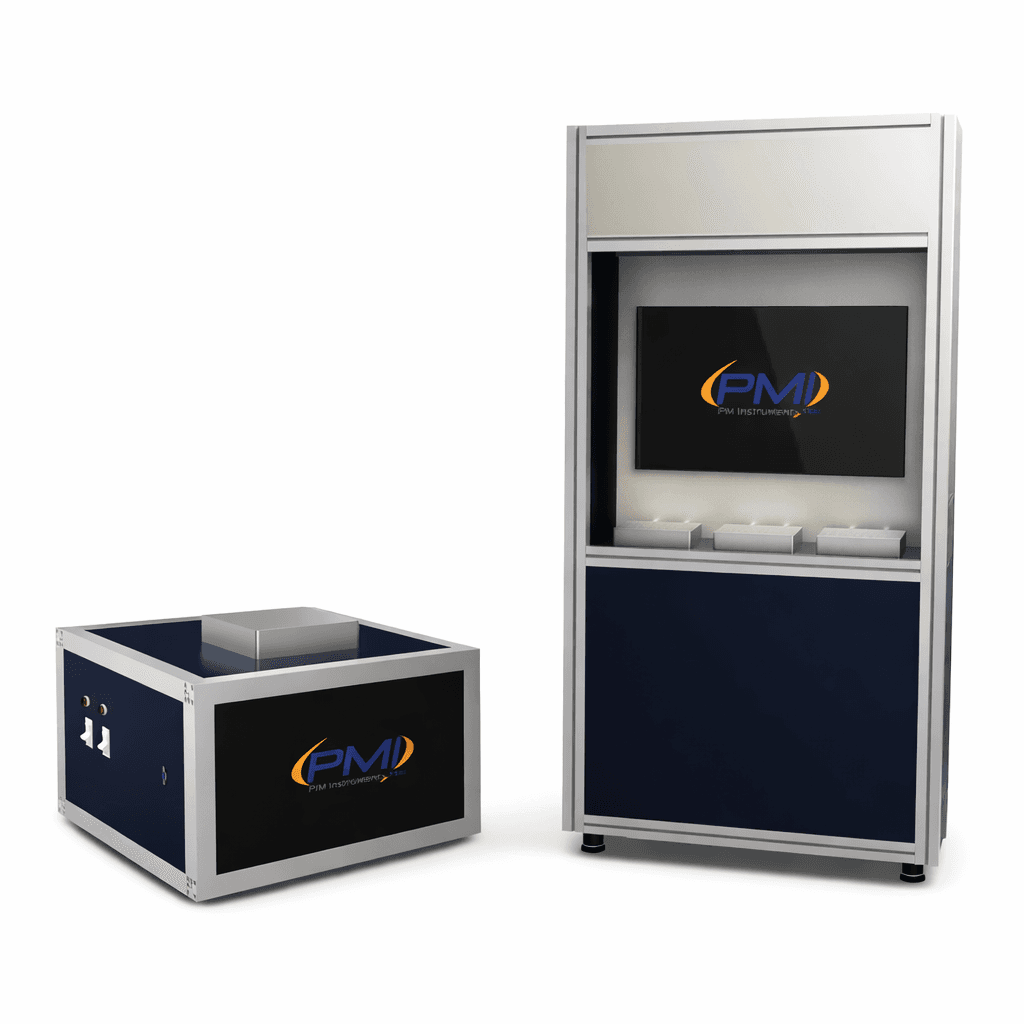
Overview
Membrane distillation (MD) is a membrane-based separation and concentration process driven by a vapor pressure (temperature) gradient between the feed and permeate sides of a hydrophobic membrane. In other words, membrane distillation is a thermally driven separation process in which separation occurs due to a phase change.
A hydrophobic membrane acts as a barrier to the liquid phase while allowing the vapor phase (e.g., water vapor) to pass through its pores. In a typical process, heated saline water (feed) flows along one side of the membrane, while chilled, salt-free water (permeate) flows along the opposite side. The operating pressure is maintained below the membrane's breakthrough pressure, ensuring that liquid water does not penetrate the membrane pores.
Since the vapor pressure of saline water is lower than that of pure water, this vapor pressure difference drives evaporation from the feed side. The generated water vapor diffuses through the membrane pores and condenses on the permeate side, producing purified water.
The PMI Membrane Distillation System is capable of measuring the rate of permeate volume increase under a wide range of experimental conditions, including variations in pressure, circulation flow rate, and temperature. The quality of feed and permeate streams can be evaluated using conductivity measurements. Clean permeate can be collected in flowing water, flowing gas, or under vacuum conditions.
- Application: A major advantage of membrane distillation in desalination is its ability to achieve very high rejection factors, even at high permeate fluxes—performance that is difficult to achieve with reverse osmosis (RO). MD systems can produce high-purity water with nearly 100% rejection of non-volatile compounds.
- Food industry: Fruit juice concentration (orange, blackcurrant, pineapple, kiwi, sugarcane, camu-camu, cherry)
- Food industry: Removal of ethanol from fermentation broth
- Food industry: Concentration of food colorants
- Food industry: Dealcoholization of wine
- Food industry: Concentration of herbal and plant extracts
- Chemical Industry: Concentration of non-volatile acids
- Chemical Industry: Recovery of volatile compounds from aqueous solutions
- Water and Process Industry: Semiconductor-grade water (near 100% rejection)
- Water and Process Industry: Pharmaceutical-grade water
- Water and Process Industry: Drinking water purification
- Water and Process Industry: Treatment of nanoparticle-containing water
- Water and Process Industry: Purification of high-salinity water
- Water and Process Industry: Nuclear applications (utilization of waste heat from reactors)
- Environmental applications: Landfill leachate treatment
- Environmental applications: Heavy metal concentration and removal.
Specifications
Request pricing, a technical datasheet, or a consultation with our applications team.
Request a QuoteRelated Products
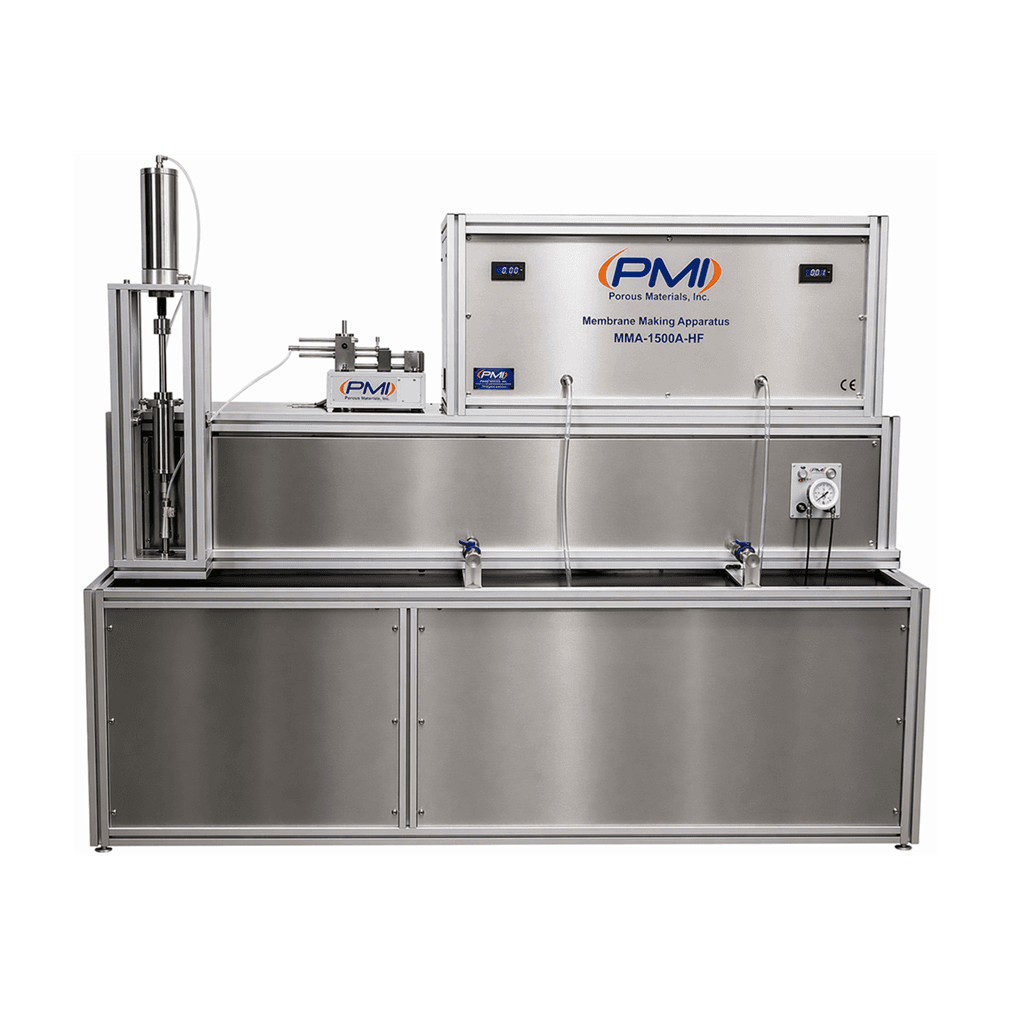
Advanced Membrane Manufacturing Apparatus for Hollow Fibers
The PMI Hollow Fiber Manufacturing Machine is an advanced system designed for the high-precision fabrication of hollow fiber membranes. The system enables researchers to control key fabrication parameters to produce fibers with tailored structural and transport properties for a wide range of filtration and research applications.
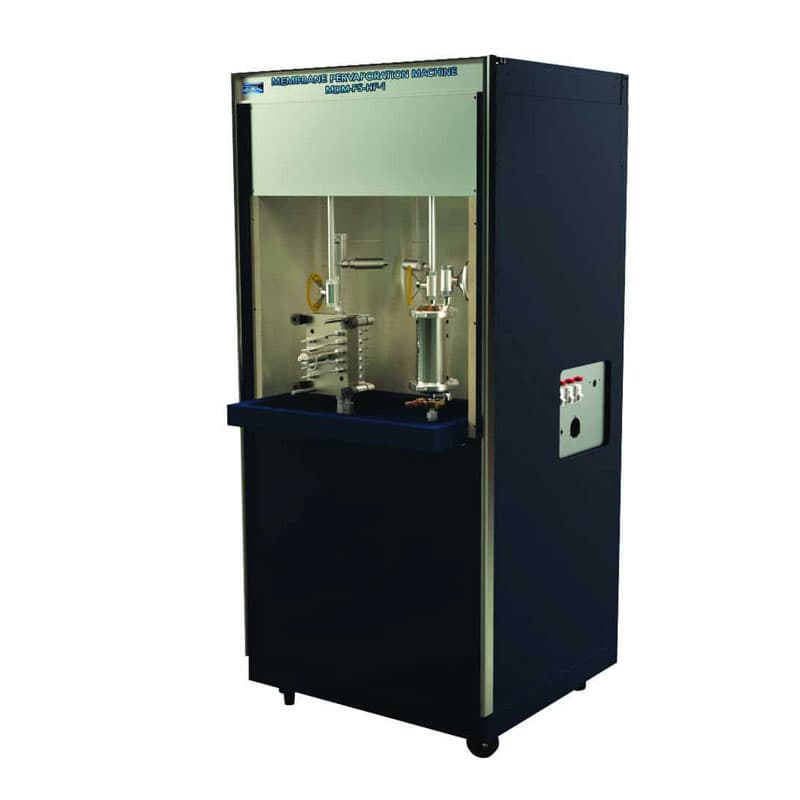
Advanced Membrane Distillation Machine
The PMI Advanced Membrane Machine is designed to measure the rate of water production from saline solutions under a wide range of experimental conditions, including pressure, flow rate, and temperature. The system enables the collection of purified water under flowing liquid, flowing gas, or vacuum conditions.
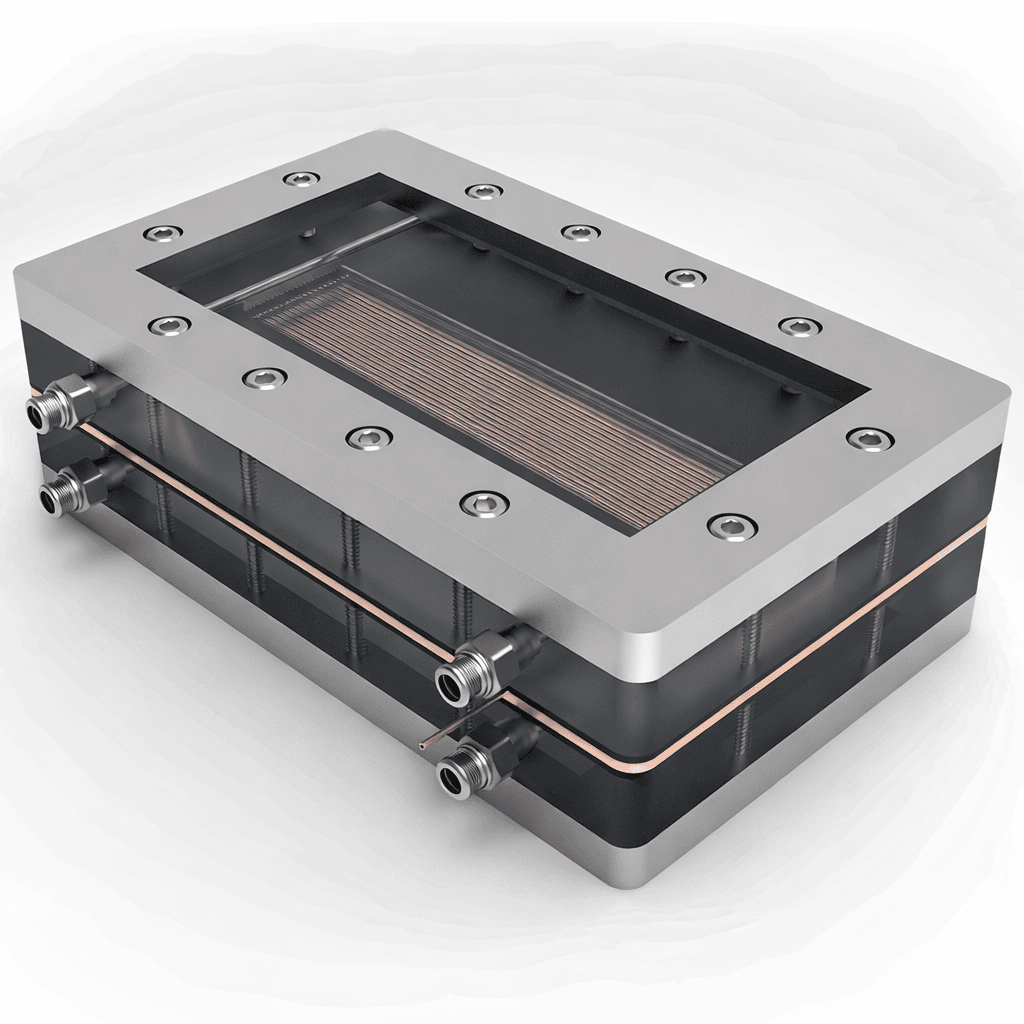
Membrane Distillation Module (AGMD, VMD, SGMD, DCMD, CGMD, PGMD)
PMI's Membrane Distillation Module is a flat-sheet membrane distillation cell configurable for AGMD, VMD, SGMD, DCMD, CGMD, and PGMD operating modes — letting one module evaluate membrane performance across every major membrane distillation geometry.