Instrument Catalog

Miscellaneous

Specialized testing apparatus — capillary pressure/resistivity testers, acoustic velocity systems, Dean-Stark setups, and fiber/permeability analyzers — that fall outside the core product lines.

21 instruments
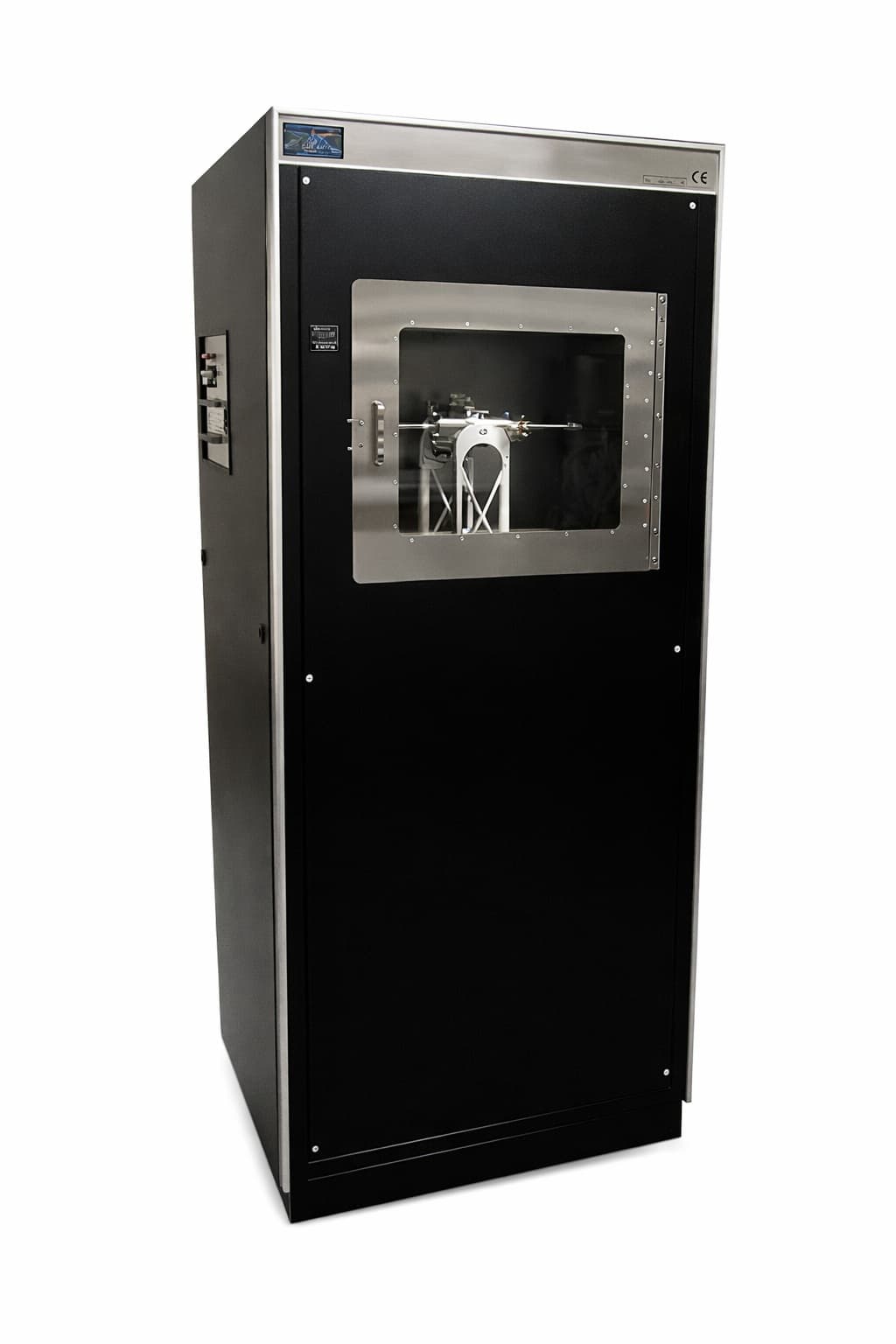
Consistometer
Miscellaneous

Consistometer

PMI’s Computer-Controlled HPHT Consistometer, Model PMI‑CM‑40K, is designed to measure the viscosity and thickening behavior of cement slurry under high pressure and high temperature conditions. The instrument features a rotating slurry cup that operates at speeds up to 150 rpm and a stationary paddle‑type sensor. User‑defined temperature and pressure conditions are applied to the test chamber while the magnetically driven cup rotates and the slurry flows against the paddle sensor. The torque applied to the paddle during cup rotation is used to determine the slurry consistency. This instrument is used to evaluate cement thickening behavior under a wide range of downhole well conditions. The instrument is designed for easy operation via computer control, enabling accurate and reliable testing with minimal preparation time. The innovative hardware design makes the instrument easy to set up, easy to use and easy to clean. The custom PC software included with each unit allows the user to construct test sequences, run tests, and interpret test results quickly and with efficiency.

Dimension: 53 in (H) × 26 in (W) × 26 in (D)Power Supply: 110/220–240 VAC, 50/60 Hz, 25 A
Multipoint Simultaneous Pore Structure Analyzer
Miscellaneous

Multipoint Simultaneous Pore Structure Analyzer

All the models of this instrument are similar. In one model the sheet to be tested is made to pass through two flat parallel plates. The top plate has straight through cylindrical holes to accommodate inverted cup shaped sample chambers and about two inch diameter samples. The bottom plate also has through holes aligned with the holes in the top plate. There are five chambers over the product width of about twenty inches. The chamber has gaskets at its bottom rim to make a pressure tight seal with the sheet when the chamber goes down the hole in the top plate to make contact with the sheet. The top of the chamber is connected to the pressure transducer to measure pressure just above the sample. The sample chamber is also connected to a gas line to supply pressurized gas to the chamber. The outlet of a small valve for discharging a specified amount of wetting liquid on the sample in the sample chamber is allowed to pass in to the chamber. The valve is computer controlled to discharge the wetting liquid at the desired time.